
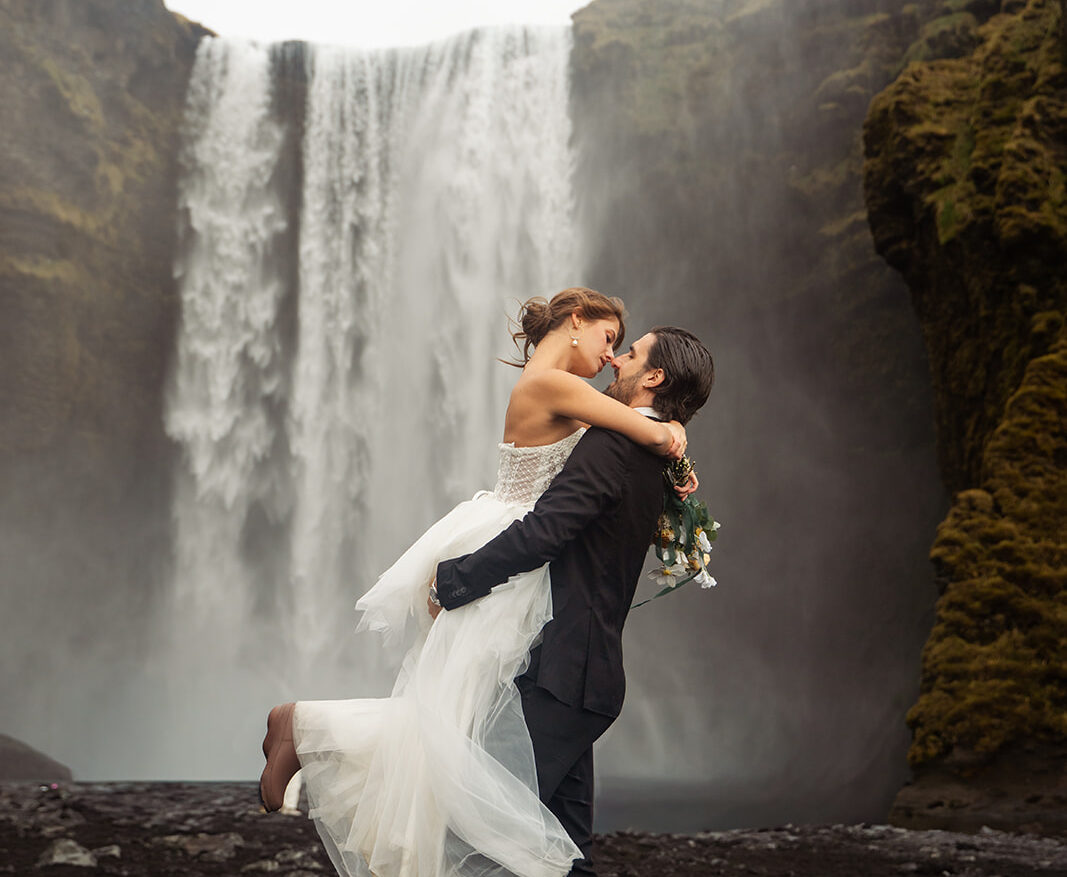
You are engaged!! Cue the happy tears, calling your favorite people, and probably a Pinterest board filling up faster than you expected.
Before booking your wedding venue, it helps to pause and get clear on the details that will shape the rest of your wedding-planning experience.
There are a few really important conversations to have before the actual planning begins. They will help you save money, lessen the mental load, and avoid so many of those frustrating last-minute decisions that can make wedding planning feel more stressful than exciting.
As a Colorado wedding photographer, I have seen weddings of all sizes, styles, and budgets. The couples who enjoy the process most are not necessarily the ones with the biggest budget or the most elaborate details. They are the ones who started by getting clear on what matters to them.
Your wedding day is one beautiful day—but it is the beginning of your marriage, not a performance for everyone else. Here are the 10 things to do before planning a wedding so your celebration can feel intentional, personal, and fully like you two.
Why slowing down first actually helps
Taking this first step together is not about delaying the fun parts. It is about giving yourselves a foundation before everyone else’s opinions, timelines, and Pinterest-perfect ideas start coming in.
This little checklist helps you:
- Make choices that fit your real budget
- Keep both of you involved and on the same page
- Avoid spending money on details that do not actually matter to you
- Make room for a wedding day that feels peaceful instead of rushed
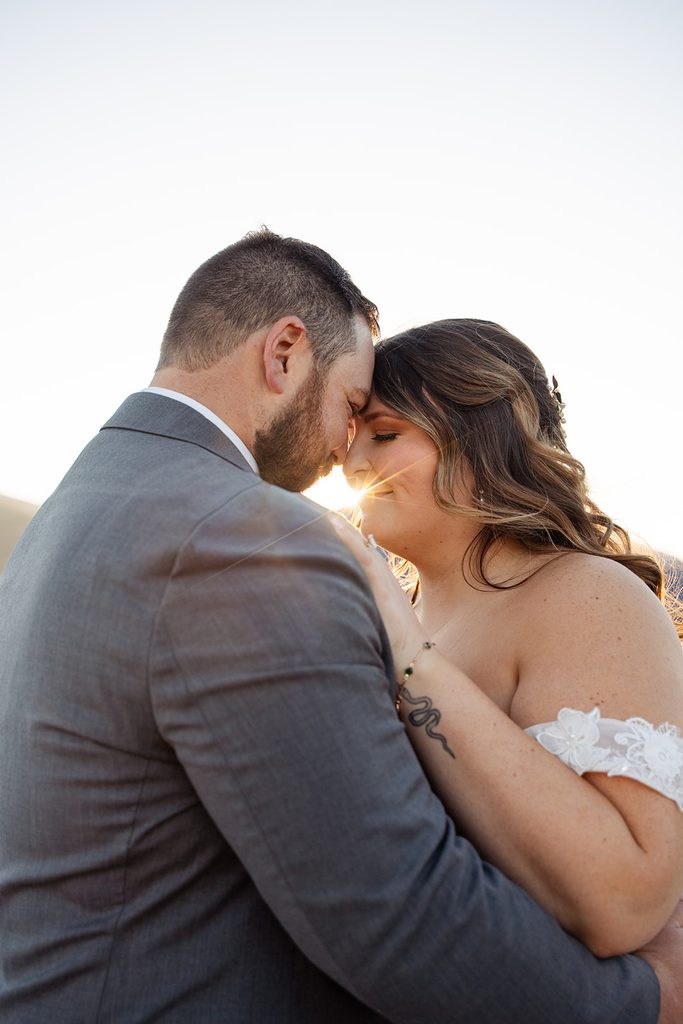
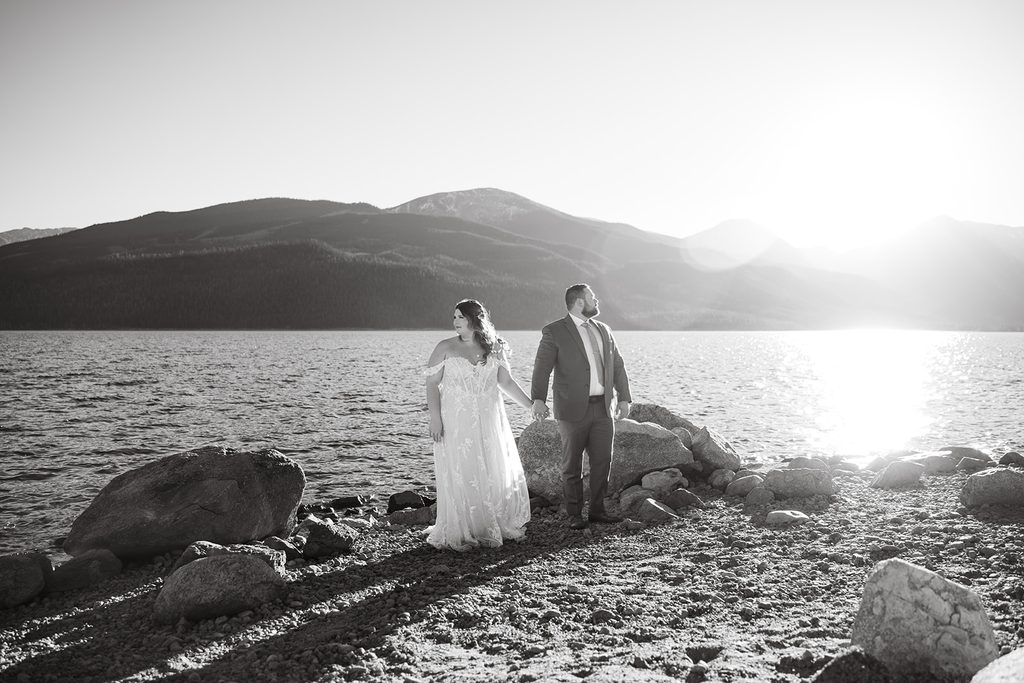
1. Define your wedding vision together
Before you look at venues, talk about the feeling you want your wedding day to have.
Do you picture an intimate mountain celebration with your closest people? A meaningful faith-filled ceremony followed by a big dance party? An adventurous elopement with just the two of you? A day that is elegant, relaxed, cozy, western, colorful, private, or family-centered?
There is no wrong answer. But this is the time to find the words that feel right to both of you.
Try this: each of you write down three to five words you want your day to feel like. Then compare notes. You may be surprised by how much you already agree on—and it gives you a filter for every decision that comes next.
2. Set a realistic budget and be clear about who is contributing
I know this is not the glamorous part, but it is one of the most helpful conversations you can have early on.
Talk through the total amount you are personally comfortable spending. If parents or other loved ones are contributing, clarify the amount and whether it is meant for anything specific. That does not have to be awkward—it simply keeps you from making assumptions or getting surprised later.
Leave room for the smaller expenses, too: taxes, tips, alterations, delivery fees, marriage-license costs, invitations, and those little “we did not think about that” purchases that add up quickly. A budget with some breathing room will serve you so much better than one that is stretched to the absolute limit.
3. Choose the top three things you want to splurge on
Not every couple needs to prioritize the same things. Your top three might be photography, an epic venue, food your guests will talk about for years, a live band, florals, a planner, or enough coverage time to actually slow down and enjoy the day.
Ask yourselves: What do we want to remember most when we look back on this day years from now?
Those answers help you decide where the money should go first. Once you know your priorities, it becomes so much easier to say yes to the things that matter and no to the things that are simply not worth stretching for.
Photography is such a personal one because your photographer is there for the big moments, the quiet ones, and so much of the in-between. If it is high on your list, I put together a guide on what to consider when hiring your wedding photographer to help you look beyond just a pretty portfolio and find someone who truly feels like the right fit for your day.


4. Create a rough guest list
You do not need everyone’s address or a final head count yet. You only need a realistic idea of who you would truly love to celebrate with.
Your guest count affects your venue options, catering budget, rentals, transportation, and the overall feel of your day. A 30-person wedding and a 200-person wedding can both be incredible—but they are going to require very different planning.
Make an easy first-pass list together:
- Absolutely invite
- Would love to invite
- Only if space and budget allow
This keeps the list from becoming an emotional decision every single time someone’s name comes up.
5. Pick a general season or time frame
You do not have to choose one exact date before you start looking, but knowing the season or a few flexible date ranges will make everything easier.
For Colorado weddings especially, season changes a lot more than the color palette. Think about the scenery you want, weather you are comfortable with, guest travel, mountain-road conditions, and how much natural light you want on your wedding day. A sunny summer mountain wedding, golden fall celebration, and snowy winter day can all be gorgeous—but each brings a different experience.
Try to stay open to a few dates instead of locking yourselves into only one Saturday. That flexibility gives you more choices with venues and vendors you genuinely love.


6. Decide which traditions matter most—and which ones do not
You do not have to include something in your wedding just because it is traditional or expected.
Maybe you have always dreamed of a first look with your dad, private vows, a church ceremony, a packed dance floor, or a big family dinner. Or maybe you would rather skip a wedding party, do a private last dance, eat dinner together during cocktail hour, or have a smaller celebration that feels more intimate.
Make three lists together:
- Must have
- Maybe
- Not for us
This gives you so much freedom. Your wedding day should reflect your relationship, your values, and the way you want to celebrate—not somebody else’s version of what a wedding “should” look like.
7. Have an honest expectations check with each other
Planning a wedding can bring up emotions, family expectations, and a whole lot of opinions from people who love you. Before any of that gets too loud, talk through how you want to make decisions together.
Ask each other:
- What part of planning are you most excited about?
- What part already feels stressful?
- What moments on the day feel most important to you?
- How do we want to handle family input if it does not match what we want?
If your faith, culture, family traditions, or having private moments together matters to you, name that early, too. This conversation is not about having every answer; it is about staying on the same team as you plan.
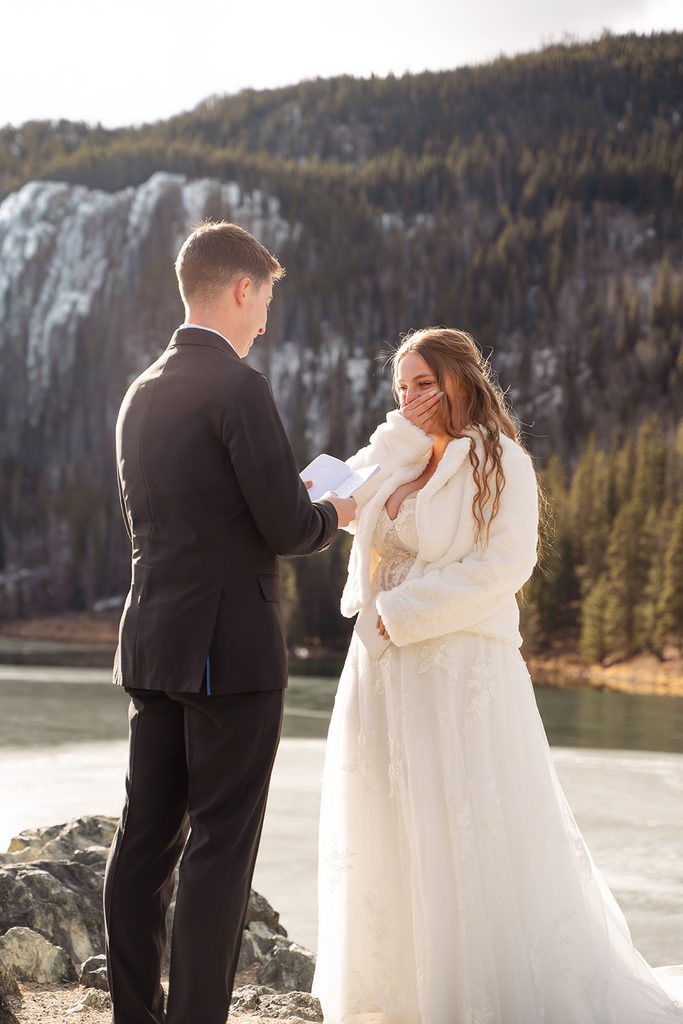


8. Name your non-negotiables
Your non-negotiables are the few things that would make the day feel incomplete if they were missing. They are a little different from your top-three vendor priorities because they can be emotional, logistical, or experience-based.
Maybe yours are getting married outdoors, including your dog, having your grandma there, protecting time for golden-hour portraits, keeping the ceremony small, serving your favorite food, or spending a full weekend in the mountains with your people.
Each of you choose three to five. When plans get complicated later, these are the things worth protecting.
9. Create one shared planning space
Please do not let one person carry every password, payment date, vendor conversation, and loose idea alone. It gets overwhelming so quickly.
Choose one shared place for all of it: a Google Sheet, wedding-planning app, shared Notes folder, or even a good old-fashioned binder. Keep your budget, contacts, invoices, due dates, guest-list notes, and inspiration there.
It does not need to be beautiful or complicated. It only needs to be a system you will both actually use.
10. Give yourselves space to plan intentionally, not perfectly
This may be the most important reminder of all.
There will always be a new trend, a different opinion, or one more detail that makes you wonder whether you are doing enough. But a meaningful wedding day is not created by checking every box on the internet.
You are allowed to choose what feels right for your relationship. You are allowed to protect your peace, leave room to breathe, change your minds, and say no to details that do not fit. The goal is not perfection. The goal is a day that feels like a true celebration of the marriage you are starting.
A little note from your Colorado wedding photographer
One of my biggest goals for every couple I work with is to help them feel present on their wedding day—not like they are racing through a schedule or being pulled in every direction.
That starts with intentional planning long before the wedding itself. When you know what matters most, it is so much easier to build a day with room for the quiet moments, the hugs from your people, the happy tears, and those just-married golden-hour photos you will love forever.
If photography is one of the pieces you want to prioritize most, you can take a peek at my wedding photography experience here.
If you are ready to start thinking through the actual flow of your day next, you may also love my Colorado Wedding Day Timeline Guide that you can snag for free here!


Ready to start planning with clarity?
Download my free 10 Things to Do Before Planning Your Wedding guide here. It is a simple, printable place to start before the venue tours and vendor calls begin.
And when you are ready to cross “wedding photographer” off your list, I would love to hear about the wedding day you are dreaming up. Inquire about your date here + mention this blog for 10% OFF


leave a comment