
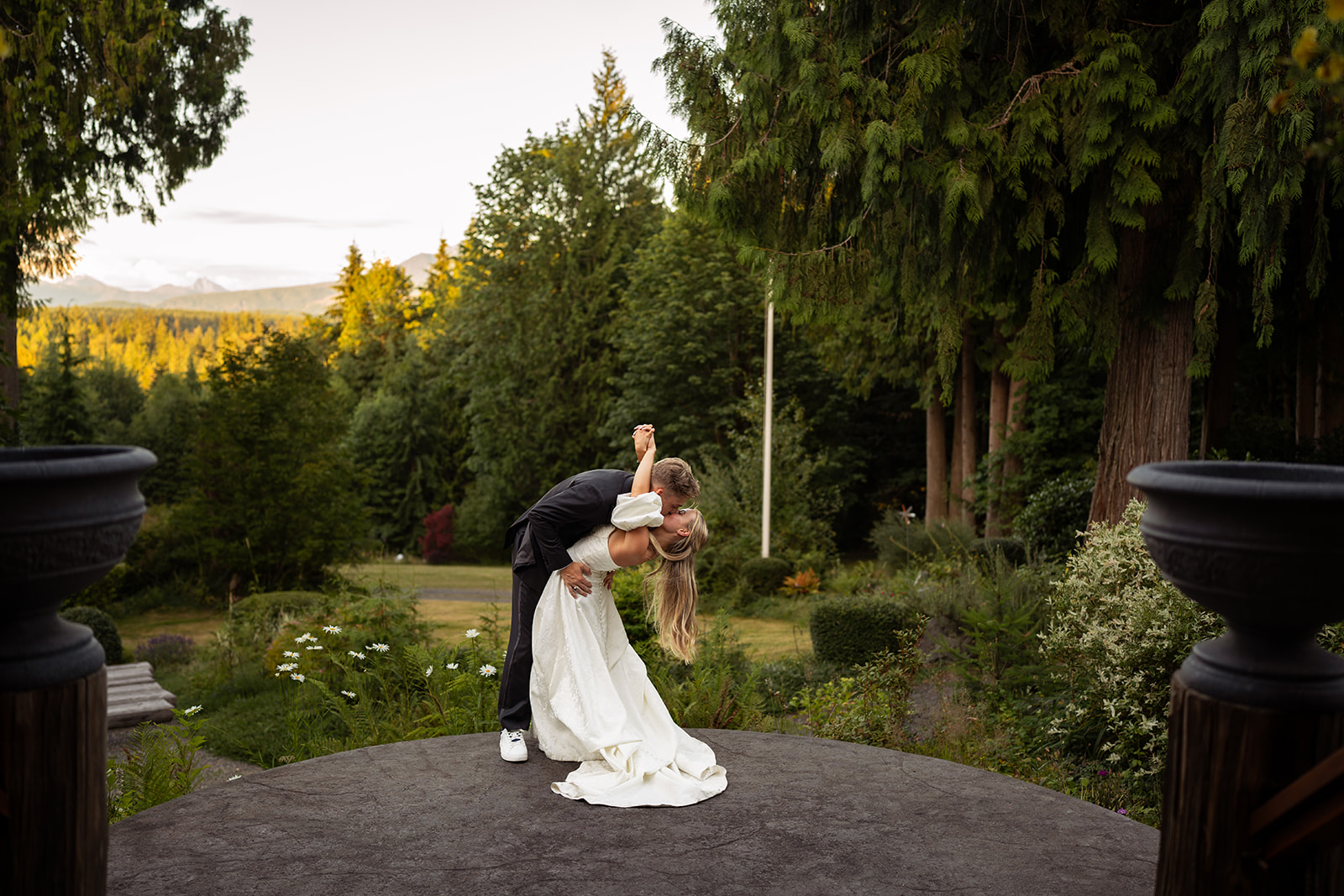
Your wedding day should feel like your wedding day—not like a race from one photo, one location, and one event to the next.
The timeline is what gives you the freedom to be present. When it is planned with realistic travel time, space for people to get ready, and intentional photo time around the best light, you can actually enjoy the little moments you spent so long dreaming about.
As a Colorado wedding photographer, I have seen how much of a difference a thoughtful timeline makes. The prettiest photos are not created by squeezing in a million things; they come from a day that has enough room to breathe. Whether you are getting married in Colorado Springs, at a mountain venue, or somewhere a little more remote, here is how to build a wedding-day timeline that feels calm, fun, and true to you.

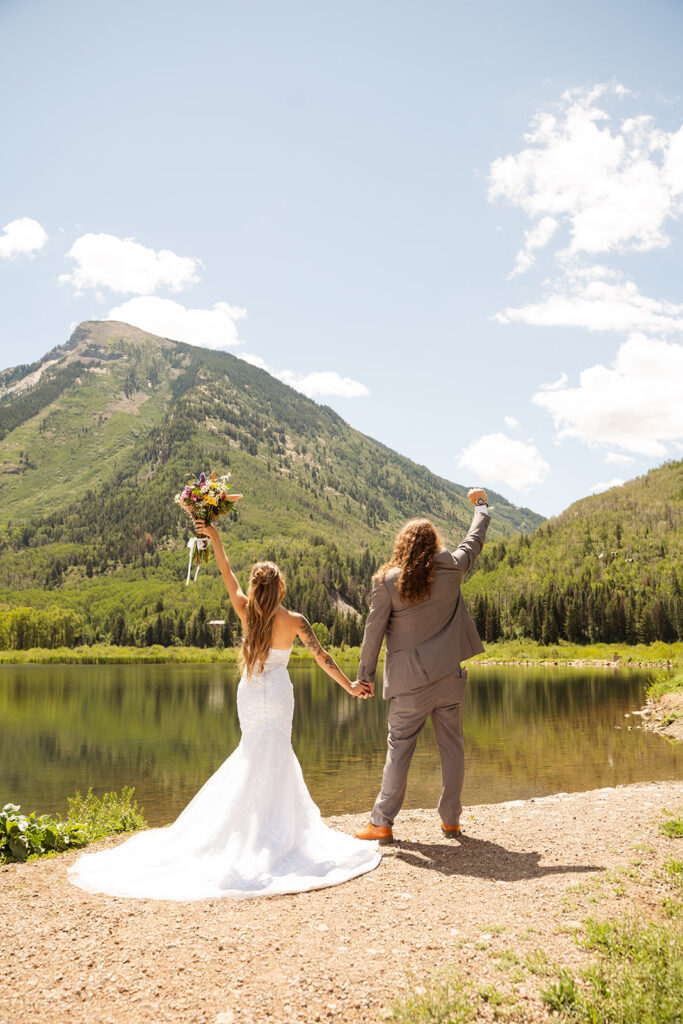
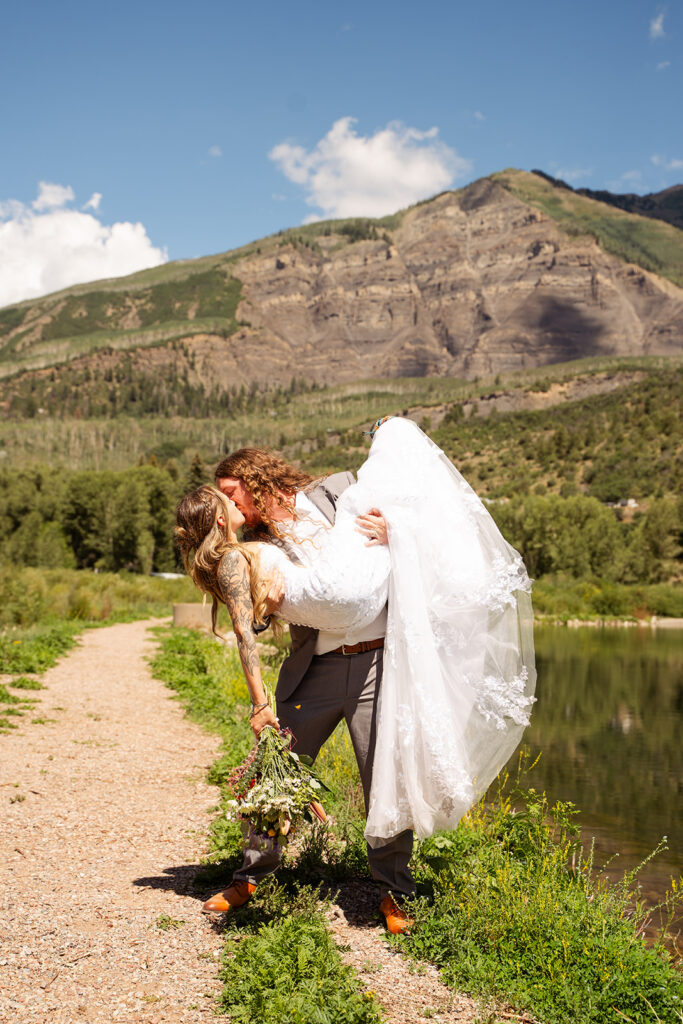
Start with these three decisions
Before you start filling in times for hair and makeup, photos, or the reception, get these three pieces nailed down:
- Your ceremony start time. This is the anchor for nearly everything else.
- Whether you want a first look. A first look changes where your photo time falls, but it does not have to take away from the emotion of walking down the aisle.
- Your venue access and exit times. Confirm when you can arrive, when vendors can begin setting up, and when everyone must be out. This matters even more at mountain venues and outdoor locations.
Once those three things are clear, the rest of the day becomes much easier to map out.

Build your day around golden hour
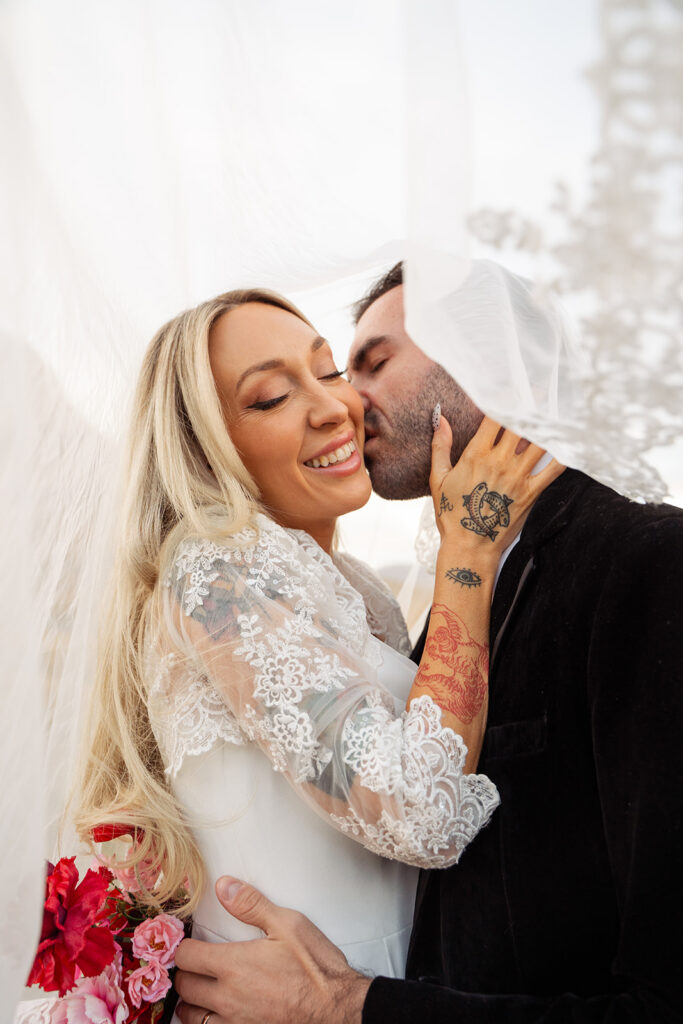
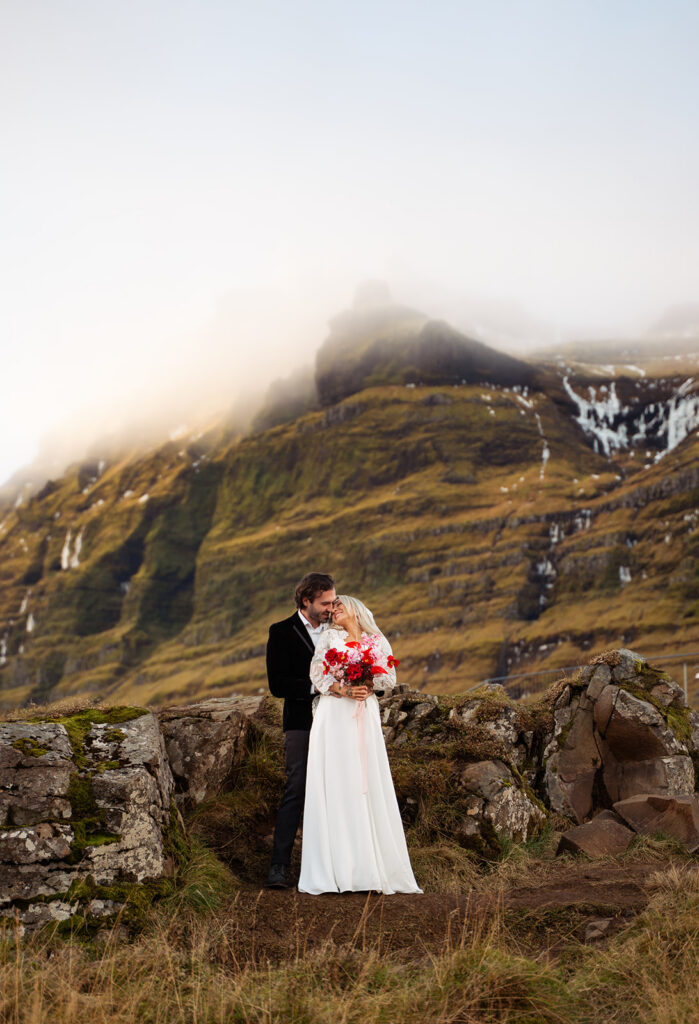
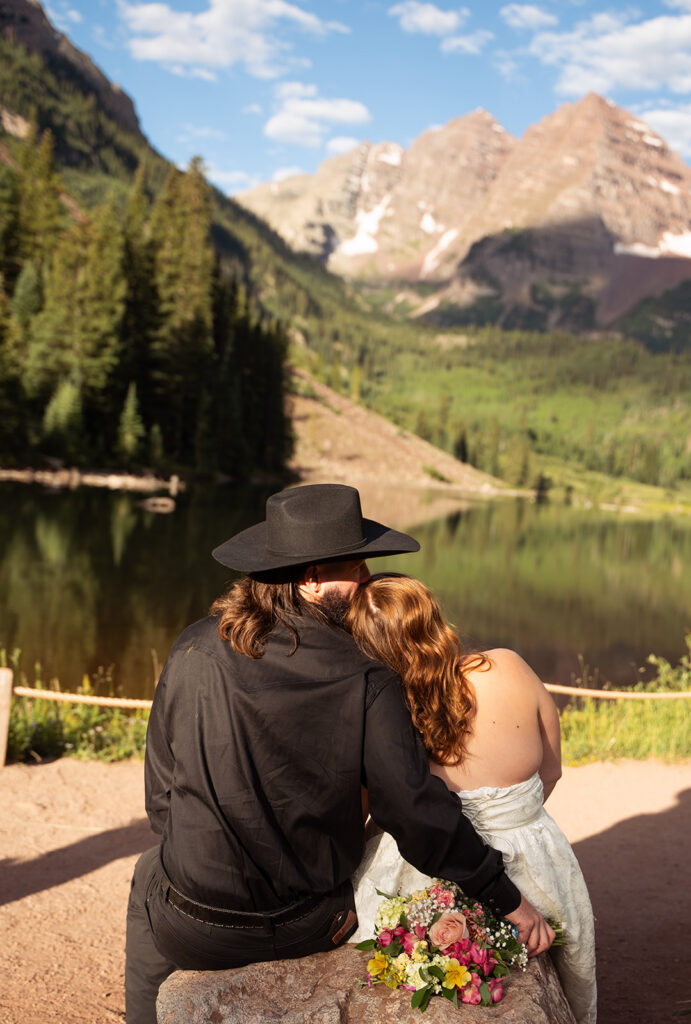
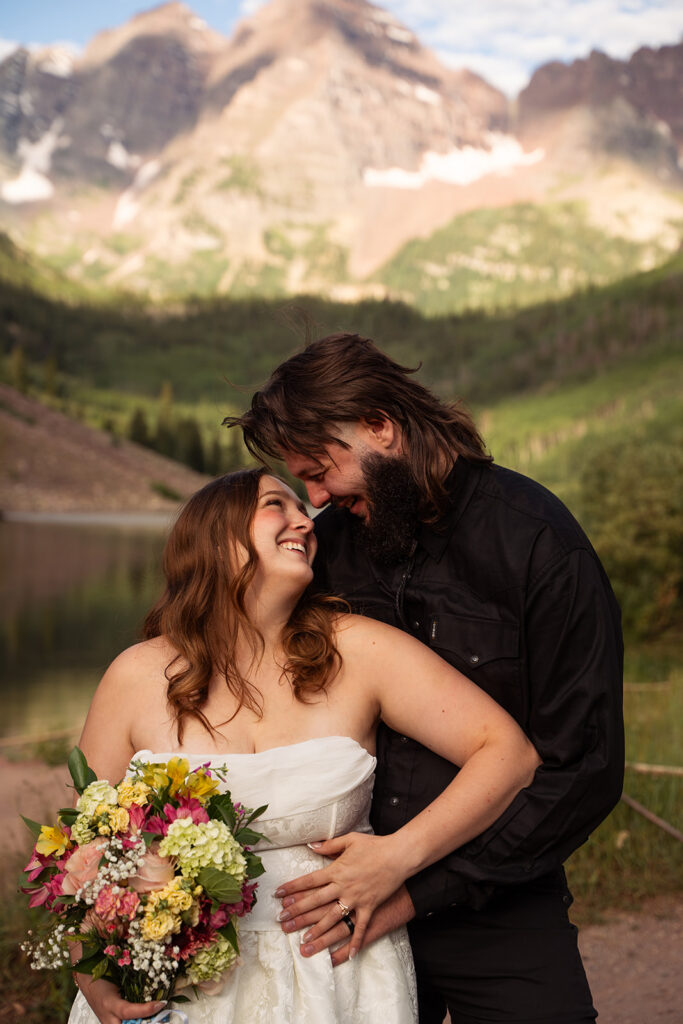
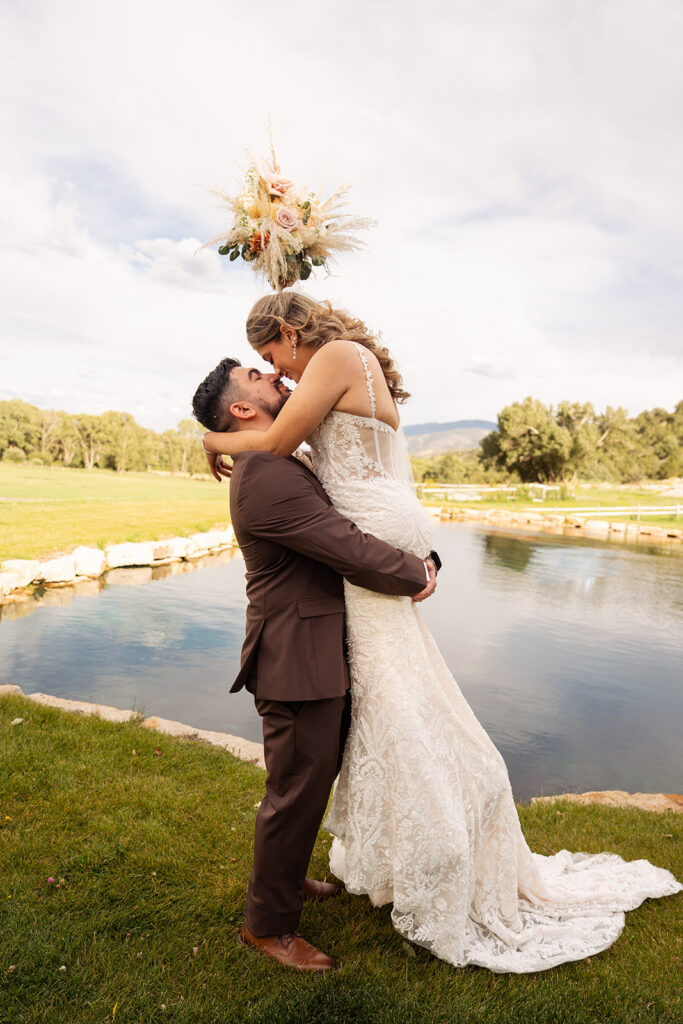
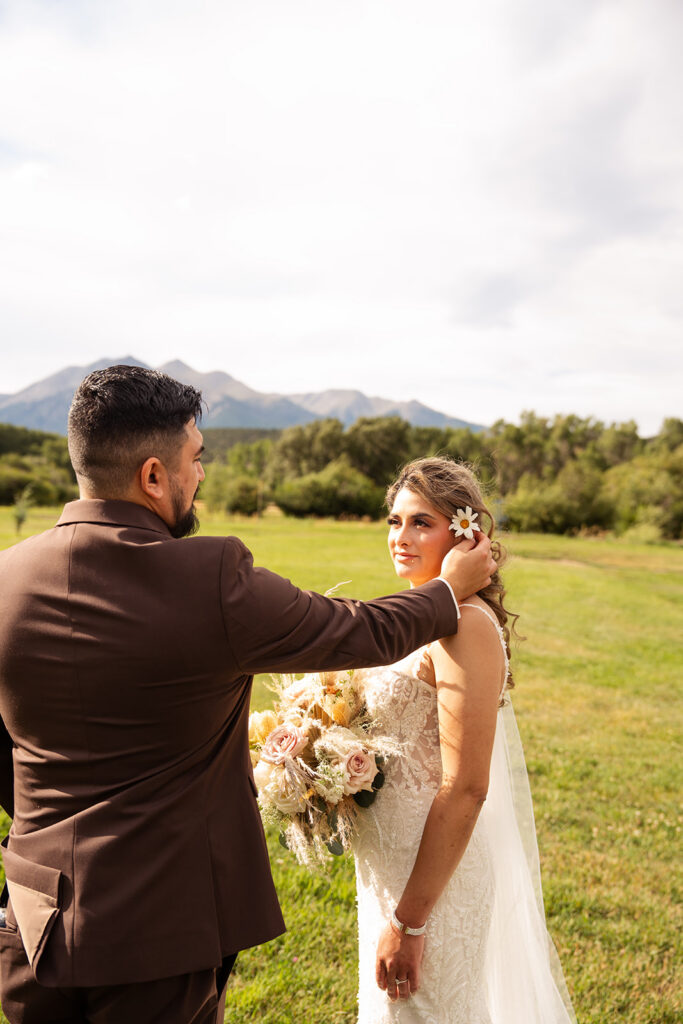
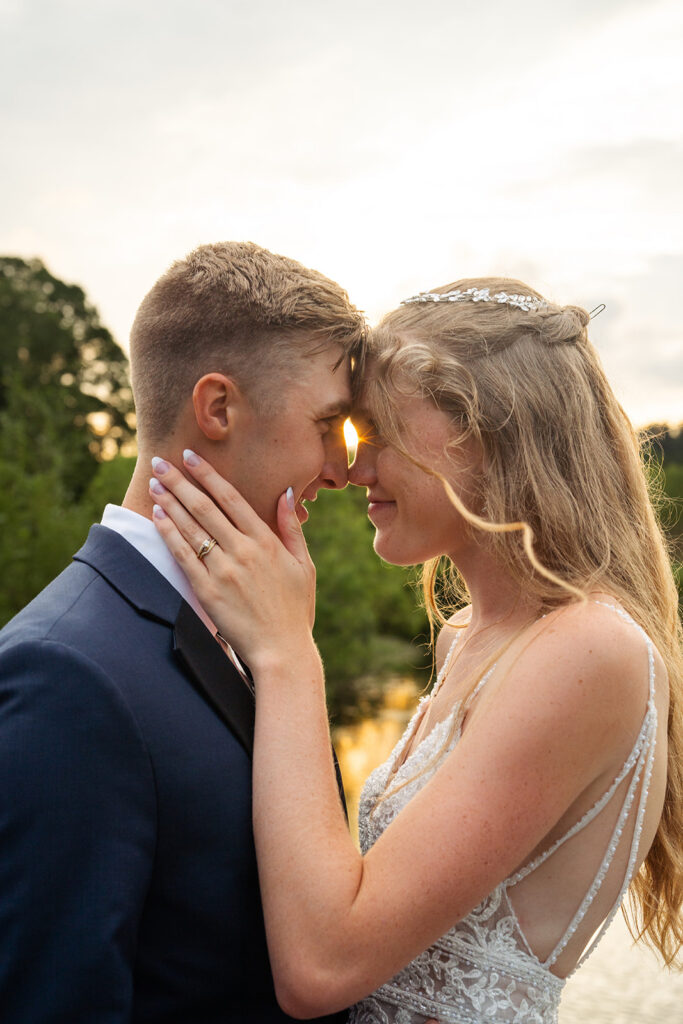
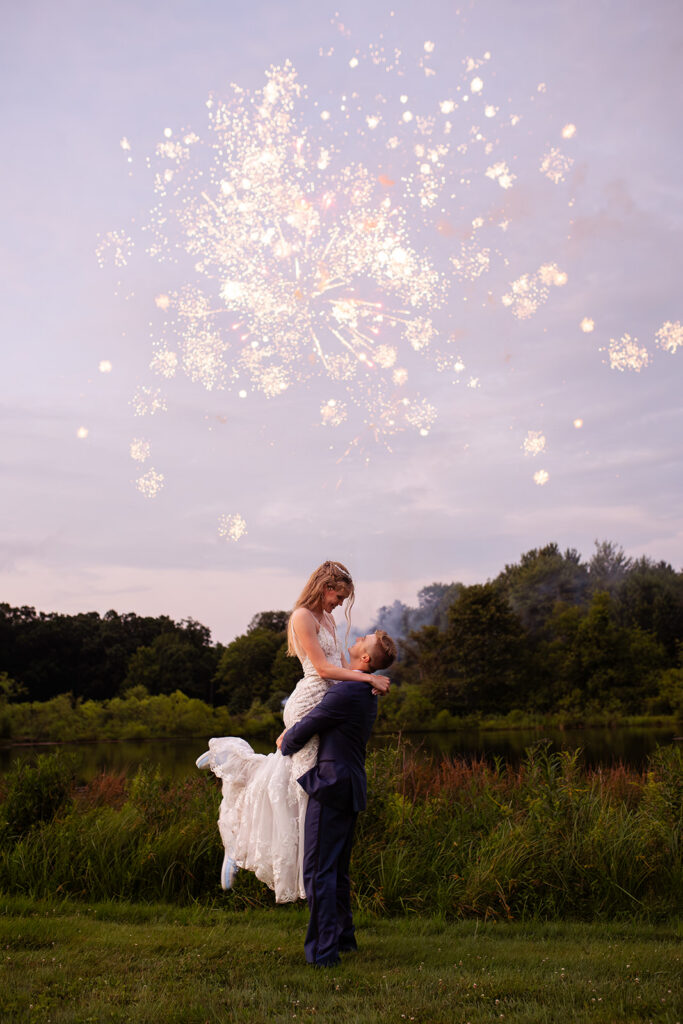
If there is one part of the timeline I will always encourage couples to protect, it is golden hour. This is the soft, glowy light in the last stretch before sunset—and it is usually when we create those romantic, relaxed portraits that end up becoming favorites for years to come.
Here is the rule of thumb:
- Look up the sunset time for your exact wedding date and location.
- Plan the main portrait portion of your day about 60–90 minutes before sunset.
- Hold back 15–25 minutes during golden hour just for the two of you.
- Make sure dinner, speeches, or another must-not-miss reception event does not keep you inside during that window.
For Colorado weddings, remember that the sun can dip behind a mountain or ridge before the official sunset time. If you are planning a fall or winter wedding, sunset may be early enough that moving your ceremony earlier gives you dramatically more photo time. I will always help my couples look at the real lighting for their venue—not just the time printed on a weather app.

Give your getting-ready time more breathing room than you think
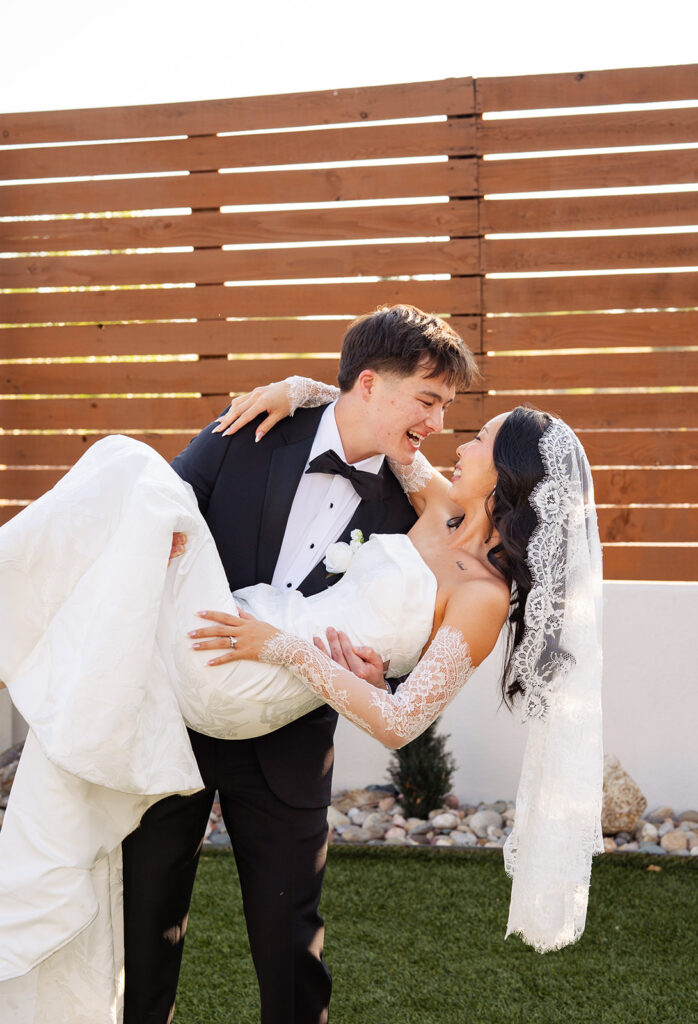
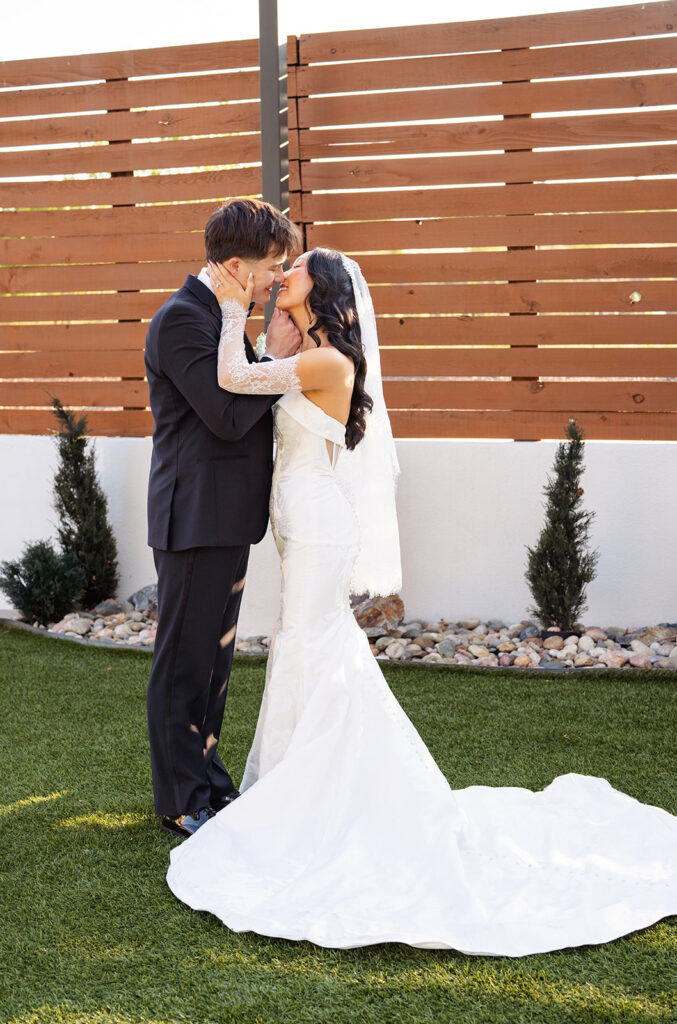
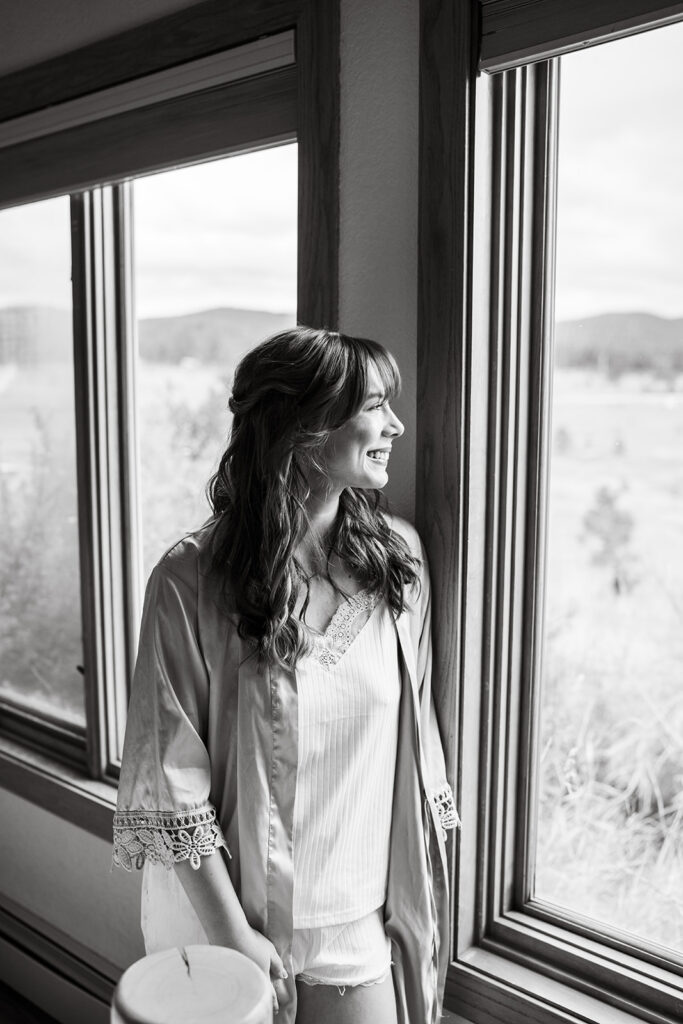
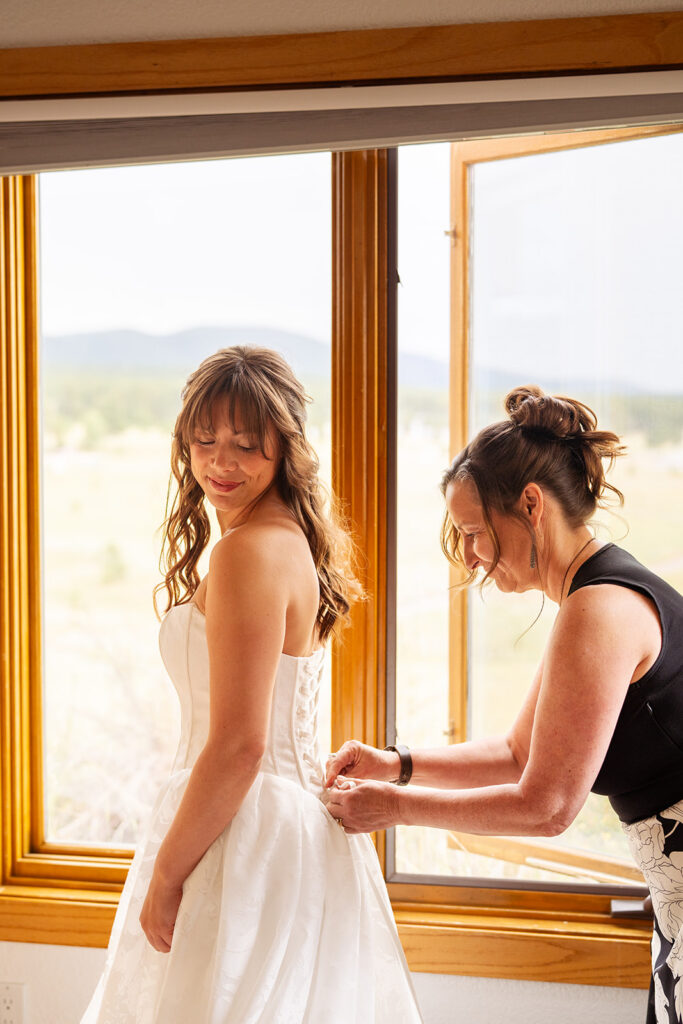
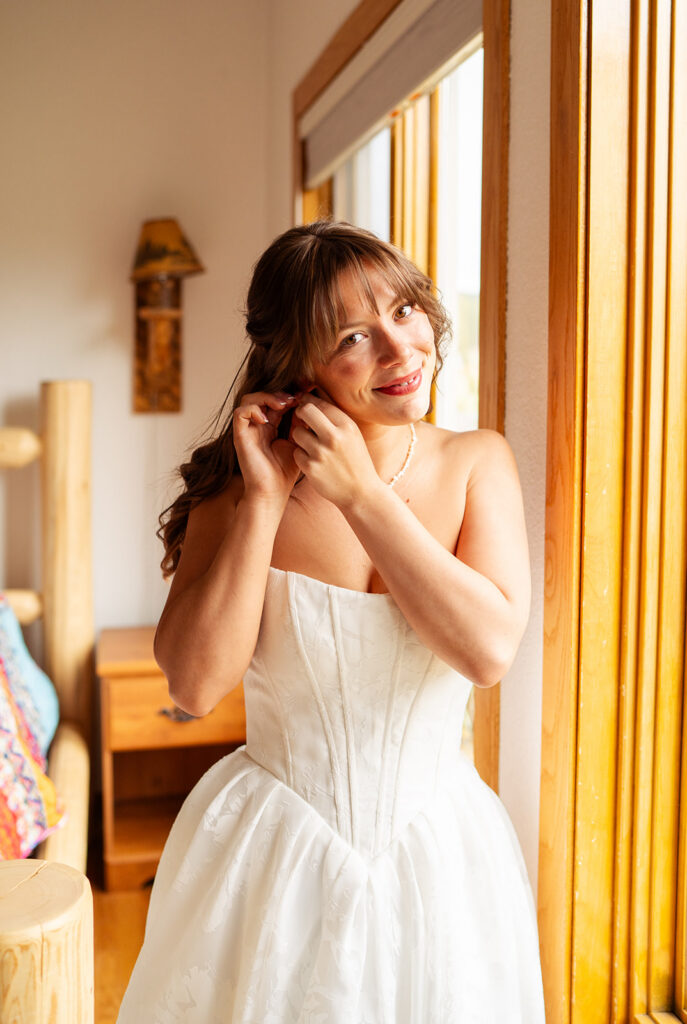
Getting ready is where a lot of wedding days quietly start running behind. It is also where so many sentimental photos happen: your dress being buttoned, a parent seeing you for the first time, reading letters, exchanging gifts, or sharing a glass of champagne with your people.
The easiest way to protect those moments is to plan to be fully ready 30–45 minutes before you need to leave for the ceremony location. That cushion allows us to photograph the final details without anyone feeling rushed.
Before the day begins, gather your detail items in one spot. I recommend setting aside:
- Both rings
- Invitation suite
- Vow books
- Perfume
- Shoes
- Jewelry
- Heirlooms or sentimental pieces
Then make sure the timeline leaves room for anything you care about, like robe or pajama photos, letter reading, gifts, and dress photos. Those moments take only a few minutes when they are planned for—but can disappear completely when they are not.
Plan the ceremony with room for guests and nerves
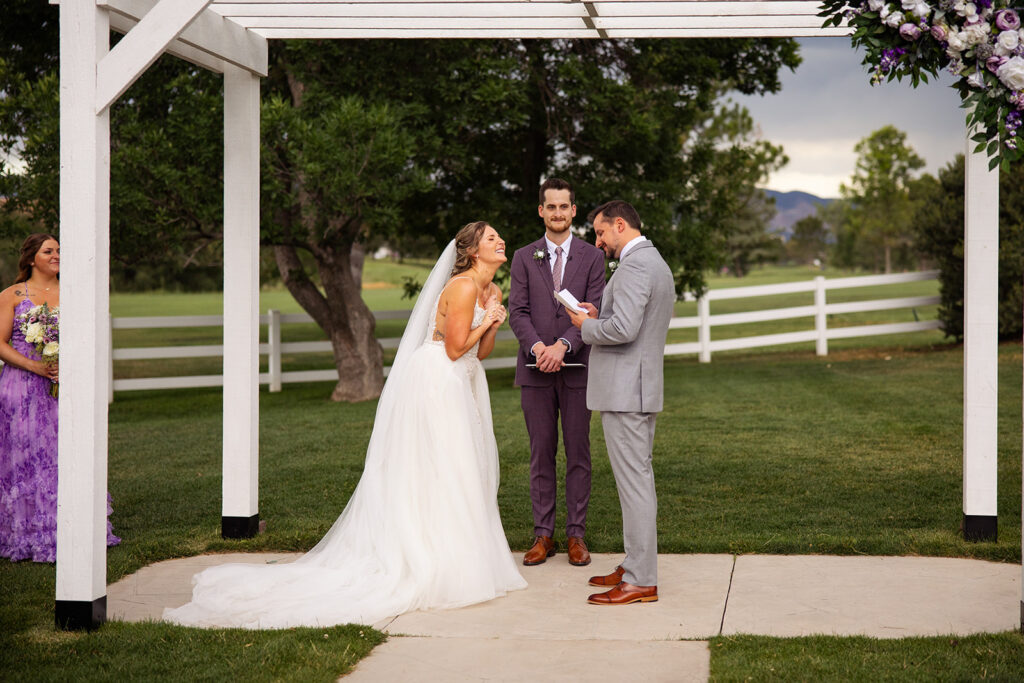
I recommend arriving at the ceremony location 30–45 minutes early. That does not mean you have to be standing around awkwardly; it simply gives you time for the details that make a ceremony run smoothly:
- Guests arriving and being seated
- Pre-ceremony music
- Lining up the wedding party
- A quick touch-up, water break, or deep breath before you walk down the aisle
Your ceremony length matters, too. A quick and intimate ceremony might be 15–20 minutes, while 20–30 minutes is very common. A religious or more traditional ceremony may run 30–45 minutes. Knowing which one sounds like yours will help us build a timeline that is realistic from the beginning.

Make sure your photo timeline includes these must-have moments
Every wedding is different, but these are the photo blocks I encourage couples to account for. They are not about turning your day into a photoshoot—they are what allows you to get the photos you value without feeling pulled away from your guests all day.
| Photo moment | Recommended time | Helpful note |
|---|---|---|
| Bride + bridesmaids photos | 10–15 minutes | Works beautifully after getting ready or before the ceremony. |
| Groom + groomsmen photos | 10–15 minutes | Keep the group nearby so we can move quickly. |
| First look | 1–2 hours before the ceremony | Gives you space to enjoy the moment and complete more photos beforehand. |
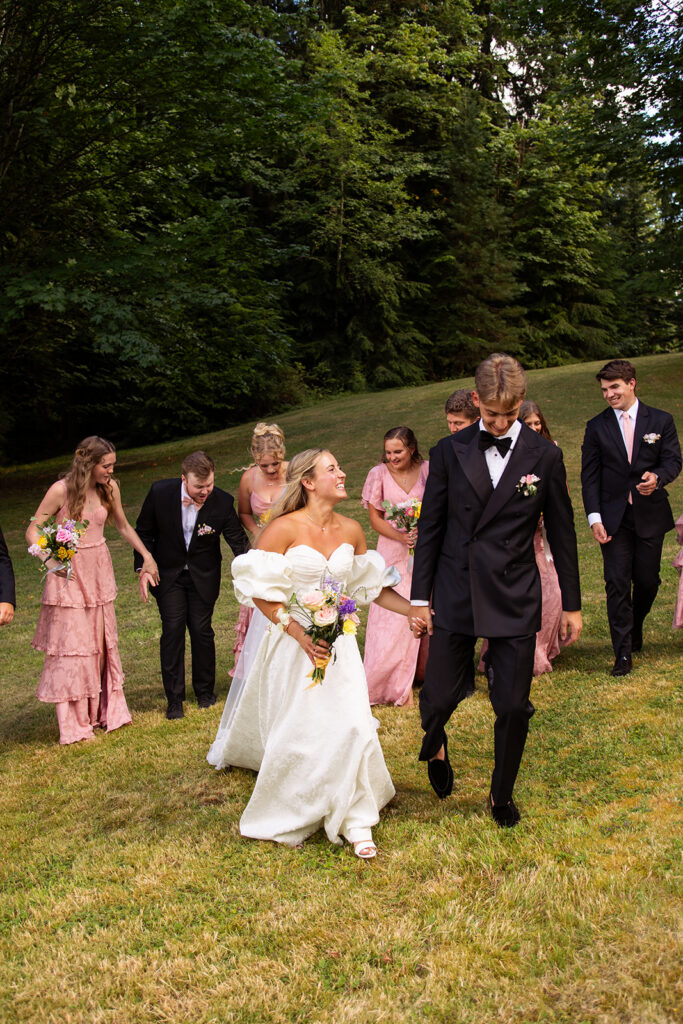
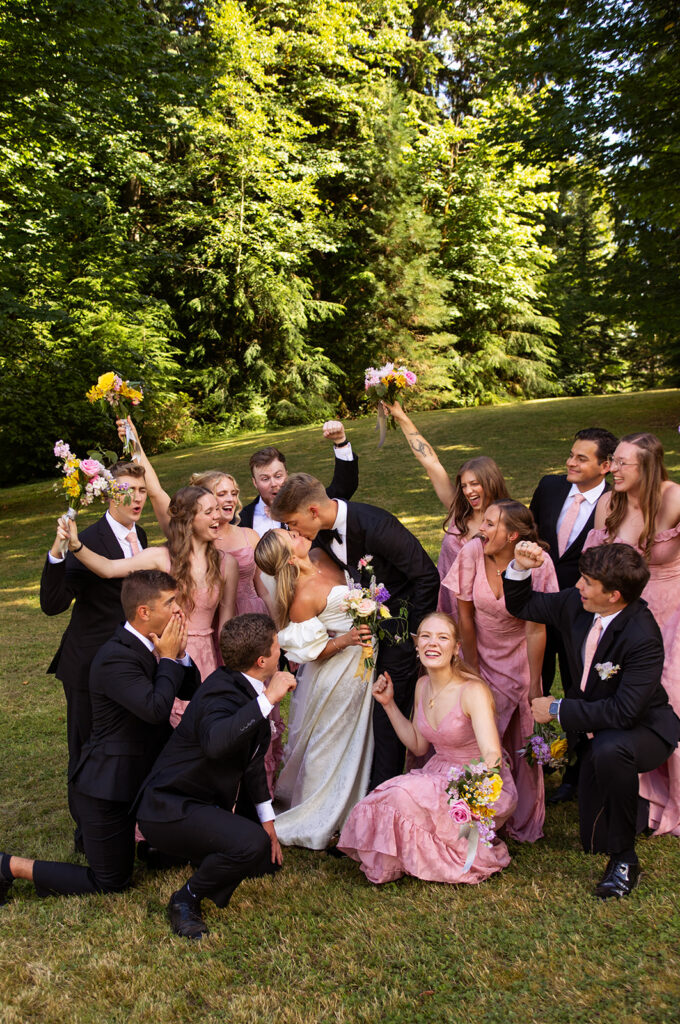
| Full wedding-party portraits | About 15 minutes | Plan this near your ceremony site or first-look location when possible. |
| Family formals | 15–20 minutes | More time may be needed for very large family lists. |
| Couple portraits after the ceremony | About 30 minutes | Still valuable even if you do a first look. |
| Golden-hour couple portraits | 15–25 minutes | Protect this time if photos in soft, glowy light matter to you. |
For family formals, choose one organized family member from each side to help gather people. It is a tiny decision that saves a surprising amount of time and keeps you from spending cocktail hour trying to locate Uncle Bob.
And even if you choose a first look, I still recommend planning about 30 minutes of portraits after the ceremony. You will have your rings on, the wedding-day adrenaline will be there, and you will finally be officially married. The energy is different in the best way.

Buffer time is not optional—especially for Colorado weddings
The couples who feel the most relaxed on their wedding day are not the ones with the tightest schedule. They are the ones with enough room for real life to happen.
Build in 10–15 minutes of buffer time between locations. Plan for parking, walking, loading into shuttles, and gathering a full wedding party. If you are getting married in the mountains, add even more time for traffic, slow roads, and guests who are unfamiliar with the drive.
Hair and makeup is another area where extra time is worth its weight in gold. If that portion falls behind, it can shift the entire rest of the day. Giving yourself more time than you think you need means you can still enjoy the morning—even if something runs a little late.

Create a reception flow that keeps the energy going
The reception is flexible, but a simple plan helps your guests know what to expect and helps your vendors work together well. A classic flow might look like this:
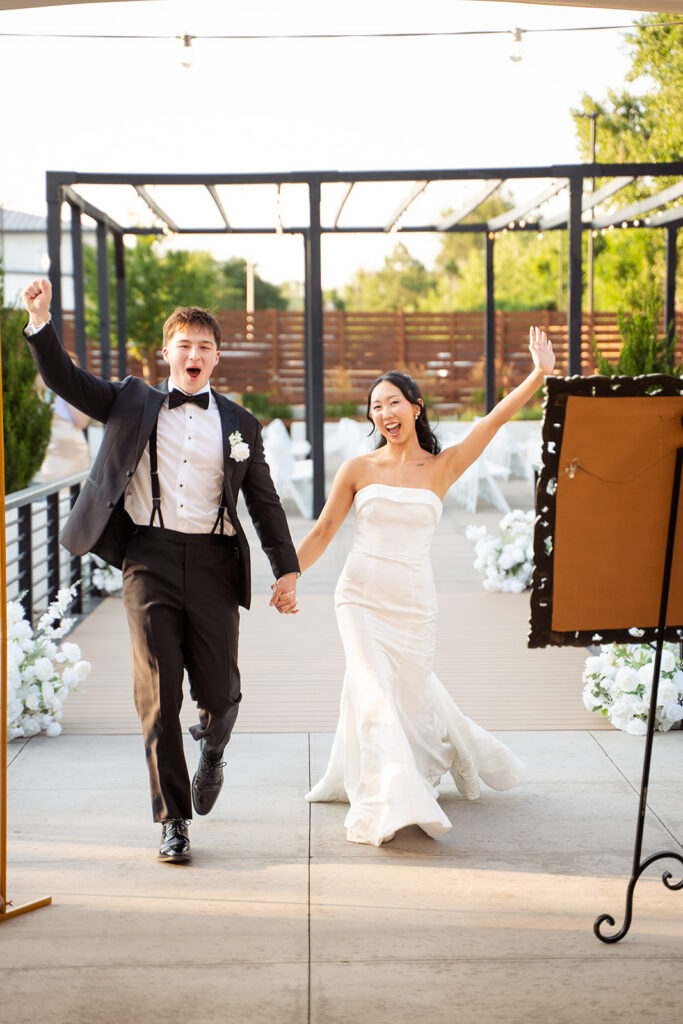
- Grand entrance into your first dance
- Parent dances
- Dinner and toasts
- Cake cutting
- Open dancing and guest mingling
There is no single “right” order. If you want a lively start to the night, consider doing your first dance and parent dances before dinner. If you want a more relaxed dinner, move speeches later. The best reception timeline is one that matches your people and the way you want the night to feel.


Five timeline choices your photos will thank you for
Your final gallery will hold the big moments, but it will also hold the in-between ones: your best friend fixing your veil, your spouse squeezing your hand after the ceremony, and the quiet five minutes when you get to look around and realize you are really married.
To make room for those photos, keep these things in mind:
- Keep the timeline simple. Less bouncing between locations usually means more photos and less stress.
- Leave room for real moments. Not every minute needs a task assigned to it.
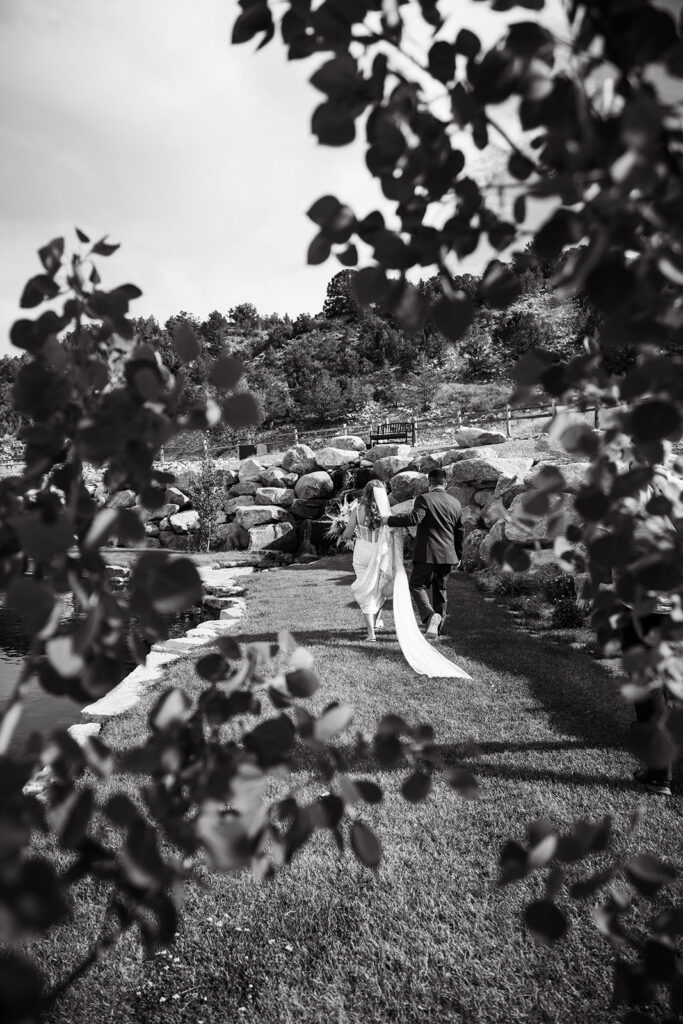
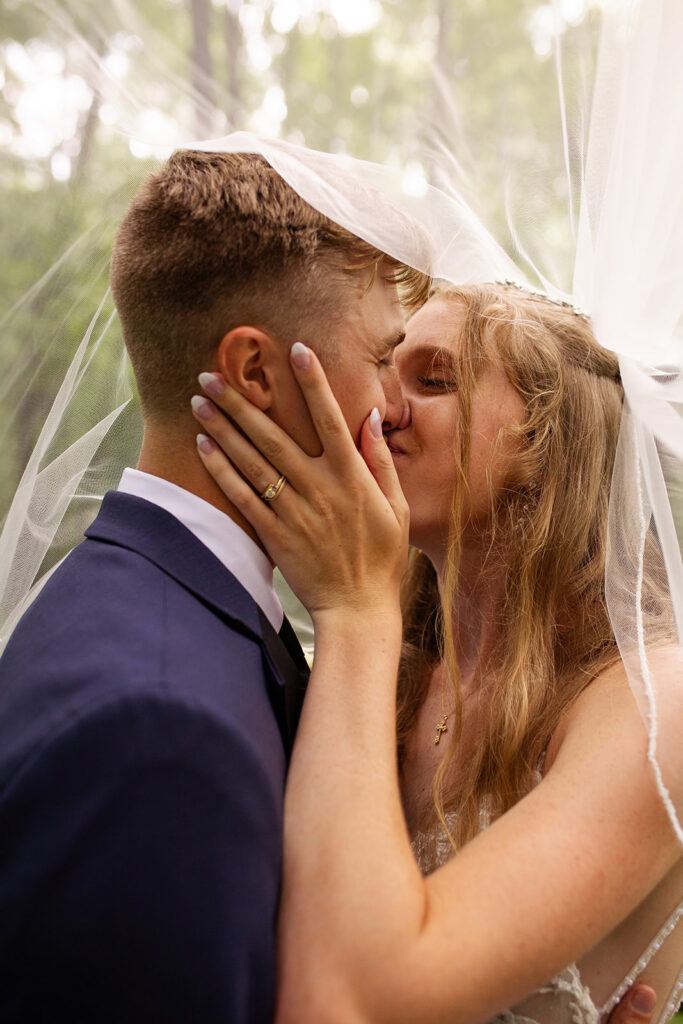
- Take a private moment after the ceremony if you can. Even five minutes alone can become one of the most meaningful parts of the day.
- Plan a few minutes alone during golden hour. This is where you can slow down, reconnect, and get the kind of portraits that feel like the two of you.
- Choose a ceremony time based on light—not only convenience. It is one of the biggest choices you can make for both the flow of the day and your photos.
Do a final reality check before the wedding day
Once you have a draft, read through it from start to finish and ask yourself: Does this actually feel realistic?
Make sure no one is expected to teleport from one place to another, that meals and breaks are accounted for, and that you are not rushing from one meaningful moment straight into the next. Confirm your vendors’ arrival times, then send the final timeline to your photographer, planner or coordinator, venue, and wedding party. I also recommend printing two copies for the day—one for you and one for someone you trust.
Need help making your timeline feel like you?
You do not have to figure every piece out alone. When you work with Abigail Rose Gallery, I help you create a photography timeline that protects your favorite moments, gives you time with your people, and still leaves room for those just-married golden-hour photos.
If you want an easy, printable starting point, grab my free Wedding Day Timeline Guide. And if you are still looking for a Colorado wedding photographer who will help you feel comfortable, present, and fully yourself on the day, I would love to hear what you are planning.

Get more help planning your Colorado Wedding day timeline with my free guide!


leave a comment